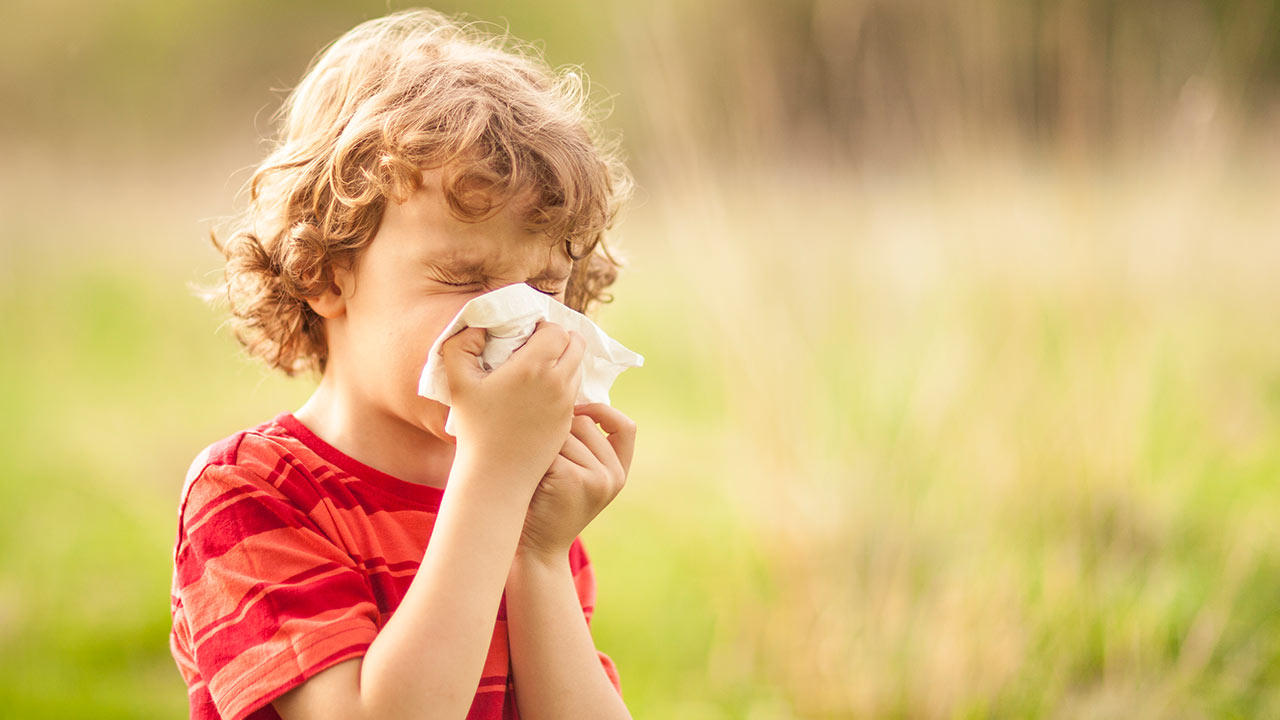
DiYES International School – Rhinitis in children can be more than just sneezing or a runny nose. It often disrupts daily activities, causes discomfort, and even leads to misdiagnosis. Rhinitis allergic reactions are commonly seen in school-age children, and without early treatment, the condition may persist into adulthood. Although not contagious, this allergy can be passed down genetically. If both parents have a history of allergies, there is a 70 percent chance the child will develop one as well. But if only one parent has it, the risk drops to 30 percent. Unlike common colds, rhinitis allergic symptoms appear due to hypersensitivity in the nasal area, often linked to asthma. Understanding these symptoms and distinguishing them from viral infections is critical for timely and effective treatment.
Recognizing Rhinitis early is vital for ensuring a child’s health and comfort. Allergens like pollen, dust, pet dander, and certain foods can easily trigger symptoms. Environmental pollutants such as cigarette smoke or car exhaust can also worsen the situation. The typical signs go beyond nasal irritation. Children may experience persistent sneezing, itchy and blocked noses, sore throats, watery eyes, or even dark circles under the eyes. In some cases, they suffer from recurring headaches or extreme fatigue. These symptoms may mirror a cold, but rhinitis does not come with a fever or body aches. Instead, the discomfort continues as long as the child remains exposed to the allergen. Knowing these differences is key to avoiding misdiagnosis and inappropriate medication.
“Read about: Historic Health Triumph: Nepal Ends 13-Year Battle Against Rubella”
Distinguishing Rhinitis from a simple cold can prevent unnecessary treatments and stress. Rhinitis often brings transparent nasal discharge, itchy nose, and no fever. In contrast, a cold results in yellowish mucus and mild fever. Colds develop one to three days after catching a virus and usually go away in under a week. Rhinitis symptoms show up immediately after allergen exposure and will persist as long as the child stays near the allergen. Unlike colds, rhinitis is not caused by viruses, and antibiotics offer no relief. Parents often misjudge the condition, assuming repeated sneezing means a cold. Proper identification of the symptoms can guide families to seek appropriate allergy testing and get effective relief for their children before symptoms worsen.
“Read more: Unveiled Secrets of Solomon’s Quarries: A Mysterious Underground World Under Jerusalem”
Avoiding Rhinitis flare-ups requires understanding what triggers your child’s allergic reactions. A skin prick test can identify the allergens responsible. This helps parents eliminate specific triggers at home, like switching to dust-free bedding or avoiding exposure to pet dander. Observation also plays a key role. If a child sneezes more after visiting certain places or eating specific foods, it should be noted. In many cases, food allergies are not immediately evident through tests but can be linked to allergy flare-ups due to metabolism-related responses. Parents must be consistent in monitoring their child’s environment. Early prevention, combined with lifestyle adjustments, is the best way to reduce long-term rhinitis symptoms and avoid further complications like chronic asthma or sinus infections.
Daily life with Rhinitis can be manageable if parents maintain healthy routines and respond early to symptoms. Children with allergies need adequate rest, a balanced diet, and regular physical activity. Their living environment must remain clean, allergen-free, and smoke-free. Doctors may prescribe medication if the condition turns chronic or frequent. Some children may also benefit from immunotherapy or desensitization programs that gradually build resistance to allergens. These treatments are usually recommended for long-term relief. Regular checkups are crucial to ensure the child is responding well and not developing related issues like asthma. While some cases require medication, many are effectively managed with behavioral and environmental changes. Consistent effort from caregivers can significantly improve a child’s quality of life.
Diyes International - Konsumen di seluruh dunia semakin mengutamakan proyek DIY yang tidak hanya kreatif, tapi juga ramah lingkungan, dengan…
Diyes International - Orang tua kini beralih ke aktivitas DIY kreatif sebagai cara menyuntikkan gerakan fisik dan stimulasi mental bagi…
Diyes International - Kreativitas mengubah limbah rumah tangga menjadi produk bernilai kini menjadi tren global, dengan 68% konsumen Indonesia melaporkan…
Diyes International - Pasar kerajinan tangan global menyentuh nilai 48,4 miliar dolar AS pada 2023, dan setidaknya 56% konsumen yang…
Diyes International - Laporan Badan Pengawas Obat dan Makanan (BPOM) pada 2023 menyatakan bahwa sekitar 15% sampel mainan anak yang…
Diyes International - Laporan Statista 2024 menunjukkan nilai pasar kerajinan tangan global mencapai 752 miliar dolar AS, dengan pertumbuhan tahunan…